
Vintage watches have a special charm that modern watches often cannot match. They carry history, unique designs, traditional craftsmanship, and a story from another time. For many watch lovers, owning a vintage watch is not simply about telling time. It is about owning a small piece of history.
Whether you are a beginner, a collector, or someone looking for a stylish watch with character, vintage watches can be an exciting choice. However, buying an older watch requires some knowledge. You need to understand what makes a watch vintage, how to identify a genuine piece, what to check before buying, and how to care for it properly. In this guide, we will explore everything you need to know about vintage watches in simple and easy wording.
What Are Vintage Watches?
Vintage watches are older timepieces that have become desirable because of their age, design, history, craftsmanship, or rarity. There is no single rule that defines exactly when a watch becomes vintage. However, watches that are around 20 to 30 years old or more are commonly described as vintage.
Some vintage watches are valuable because they were produced in limited numbers. Others become popular because they were worn by famous people, connected to an important historical event, or represent an important period in watchmaking. Unlike many modern watches, vintage pieces often have designs that are difficult to find today. This makes them attractive to people who want something different from ordinary modern watches.
Why Are Vintage Watches So Popular?
The popularity of vintage watches comes from several factors. Their age is important, but age alone does not make a watch desirable.
Unique Designs
Many older watches have designs that are no longer common. You may find unusual case shapes, classic dials, domed crystals, thin cases, and elegant hands. These details can give a vintage watch a personality of its own.
Historical Value
Every old watch has a story. It may have been produced during an important period in watchmaking or represent a design trend from a particular decade. Collectors often enjoy learning about the history behind their watches.
Traditional Craftsmanship
Older mechanical watches were often built with great attention to detail. Their movements contain many small components that work together without modern electronic technology. This traditional engineering is one reason collectors appreciate vintage timepieces.
Individual Character
A new watch usually looks exactly as it did when it left the factory. A vintage watch can develop small changes over time. The dial, case, and other parts may show signs of age. These natural changes can make each watch look slightly different.
Different Types of Vintage Watches
Vintage watches come in many styles. Understanding the main types can help you decide which one suits you.
Vintage Mechanical Watches
Mechanical watches use a traditional movement made from gears, springs, and other small components. They do not need a battery. There are two main types of mechanical movements: manual-winding and automatic. Manual watches need to be wound regularly by hand. Automatic watches use the movement of the wearer’s wrist to help wind the mainspring.
Vintage Dress Watches
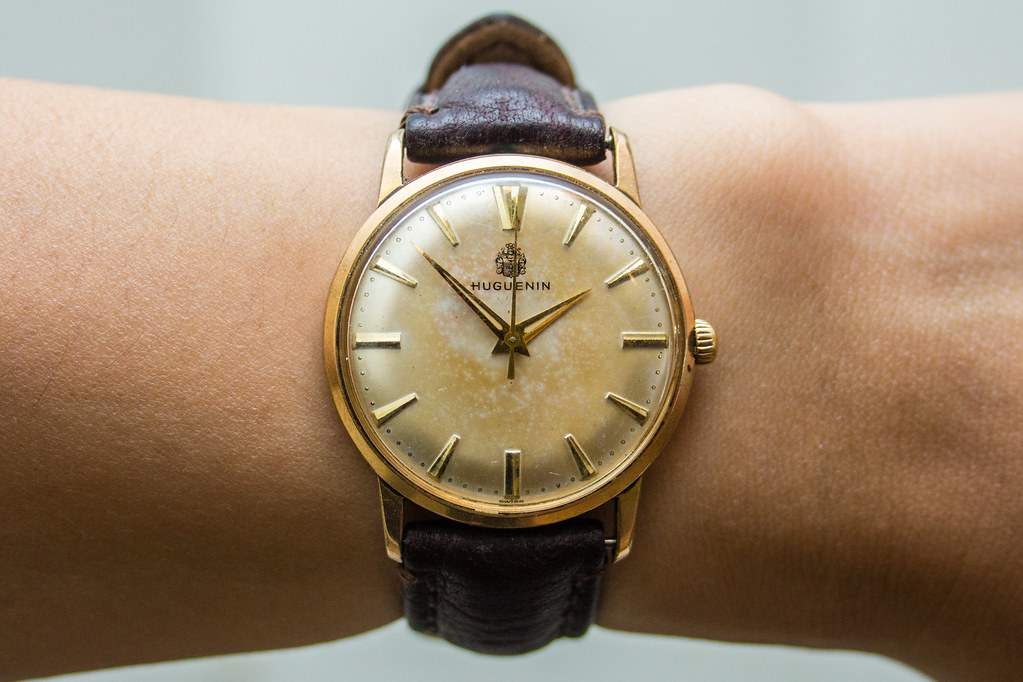
Dress watches are usually simple, elegant, and relatively thin. They are designed to work well with formal clothing. A classic vintage dress watch can be a great choice for weddings, business events, dinners, and other formal occasions.
Vintage Field Watches
Field watches were designed with practicality in mind. They often have clear numbers, simple dials, and durable cases. Their straightforward appearance makes them popular with people who prefer a functional and traditional style.
Vintage Chronographs
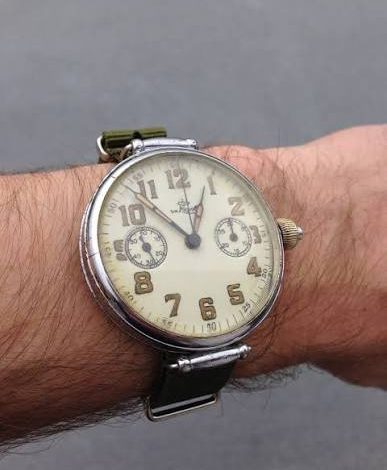
Chronographs include stopwatch functions in addition to normal timekeeping. Vintage chronographs are especially popular among collectors because of their detailed dials and mechanical movements. Some old chronographs can also be valuable because of their rarity.
Vintage Dive Watches
Vintage dive watches were designed for underwater use. They usually have rotating bezels, strong cases, and highly readable dials. Well-preserved examples can be highly desirable among collectors.
What Makes a Vintage Watch Valuable?
Not every old watch is expensive. Several factors can influence the value of a vintage timepiece.
Brand
The manufacturer can have a major effect on value. Famous Swiss, Japanese, German, and other watch brands have produced vintage models that are highly respected by collectors. However, an unknown brand can also have value if the watch is rare or historically interesting.
Rarity
A watch produced in small numbers may be more desirable than one that was manufactured in large quantities. Limited production, unusual configurations, and discontinued models can increase collector interest.
Condition
Condition is another important factor. A well-preserved vintage watch with an attractive original dial may be worth considerably more than a heavily damaged example. However, some signs of age are accepted and even appreciated by collectors.
Original Parts
Originality matters greatly in the vintage watch market. A watch that still has its original dial, hands, case, and other important components may be more desirable. Replacement parts are not always bad, especially if they were professionally installed, but they can affect collector value.
Historical Importance
Some watches become valuable because of their connection to an important person, event, or period. Strong documentation proving such a connection can make a significant difference.
How to Identify a Genuine Vintage Watch
Buying vintage watches requires careful research. The market contains genuine watches, restored watches, modified watches, and sometimes completely fake pieces.
Check the Movement
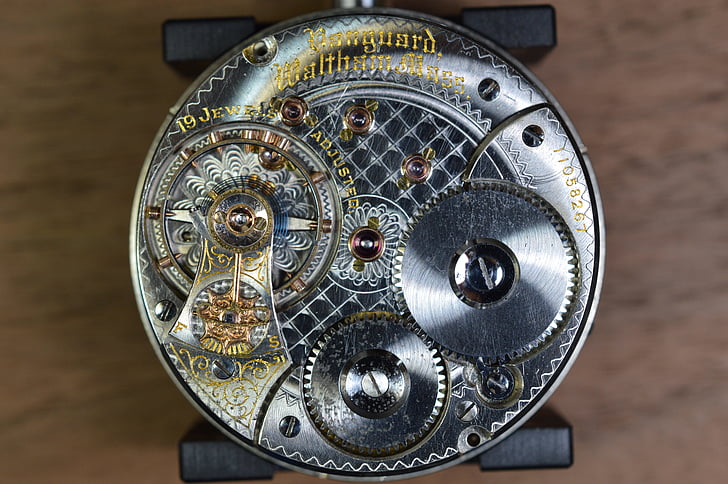
The movement can provide important information about a watch. Its design, markings, serial numbers, and construction can help identify the model and production period. If you are not experienced with mechanical movements, ask a professional watchmaker to inspect it.
Research the Reference Number
Many manufacturers use reference numbers to identify specific models. Comparing the reference number with reliable historical information can help determine whether the watch is authentic.
Examine the Dial
The dial is one of the most important parts to inspect. Look at the logo, fonts, markers, printing, hands, and overall layout. Small details can sometimes reveal whether a dial is original or has been replaced.
How to Buy Vintage Watches Safely
Buying an old watch is different from buying a new one. Here are some useful tips.
Research Before Buying
Learn about the model, production period, movement, common problems, and approximate market price. The more you know, the easier it becomes to identify unusual or suspicious details.
Buy From a Trusted Seller
Choose sellers who have a strong reputation and can provide clear information about the watch. Avoid sellers who refuse to answer basic questions or pressure you to make a quick decision.
Do Not Focus Only on Appearance
A beautiful dial does not automatically mean that the watch is mechanically healthy. A professional inspection can reveal movement problems, worn parts, moisture damage, or previous repairs.
Compare Prices
Look at multiple examples of the same model before buying. This can help you understand whether a seller’s asking price is reasonable.
Ask About Service History
A vintage mechanical watch may need regular servicing. Ask when it was last serviced and whether any major components were replaced. If there is no service history, consider the possible cost of professional servicing before purchasing.
Final Thoughts
Vintage watches offer something that goes beyond simple timekeeping. They combine design, engineering, history, and personal style in one small object. Their unique appearance and traditional mechanical movements make them especially attractive to collectors and watch enthusiasts.
However, buying vintage requires patience and knowledge. Always research the watch, inspect its condition, check its originality, and choose trustworthy sellers. Remember that an old watch is not automatically a valuable watch.
Frequently Asked Questions
What age is considered a vintage watch?
There is no universal age limit, but watches around 20 to 30 years old or older are often described as vintage. Some collectors use different definitions depending on the brand, model, and period.
Are vintage watches worth buying?
Yes, vintage watches can be worth buying if you choose carefully. Their value comes from factors such as condition, rarity, originality, brand, and historical importance.
Are vintage watches reliable?
A well-maintained vintage watch can work reliably, but it may require more care than a modern watch. Professional servicing is important for keeping an older mechanical movement in good condition.
Should I polish a vintage watch?
Polishing should be approached carefully. Heavy polishing can remove original case shapes and details. If possible, consult an experienced watchmaker before having a valuable vintage watch polished.
Can I wear a vintage watch every day?
Some vintage watches can be worn regularly, but this depends on their condition, construction, and water resistance. A professional inspection is recommended before using an older watch as an everyday timepiece.

